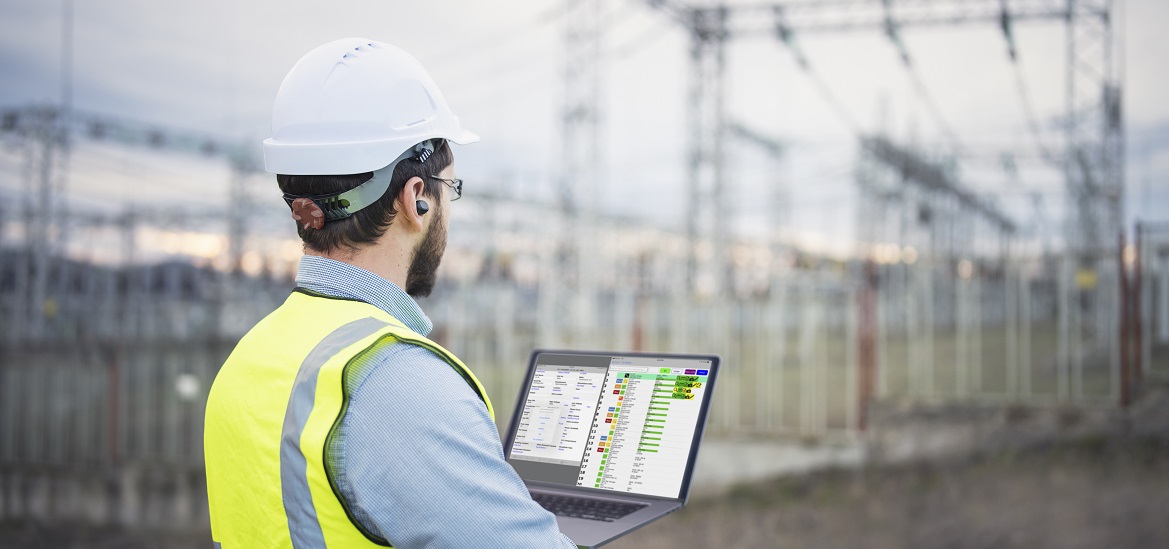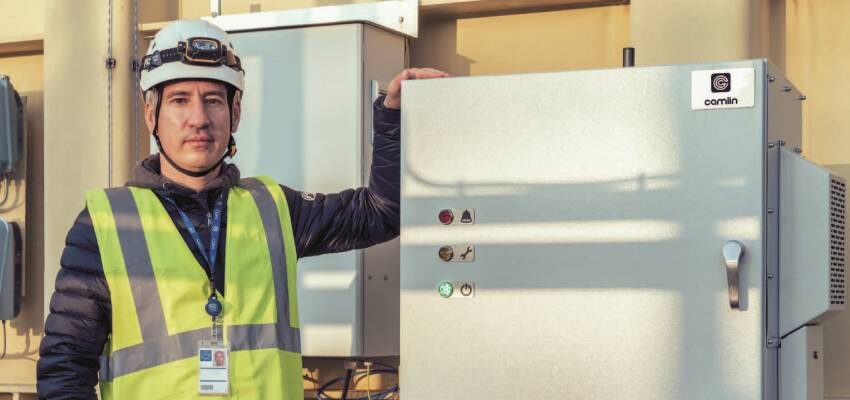



















Managing Major Assets in the Power Industry is undergoing a revolution of sorts, which was one of the underlying reasons a group of industry leaders came together to form a nonprofit 501c6 company to address the coin connection www.esara.org for the Electric Safety and Reliability Association.
We know that in the power industry the management of major assets is crucial for ensuring the continuous and safe delivery of electricity. Two fundamental concepts that underpin this management are reliability and safety. While they are distinct, their interconnection is vital for the effective operation of power systems.
Reliability
Reliability in the power industry refers to the ability of the electrical system to deliver electricity consistently and without interruption. It involves maintaining the performance of power generation, transmission, and distribution systems to meet the demands of consumers. Reliability is measured through metrics such as System Average Interruption Duration Index (SAIDI) and System Average Interruption Frequency Index (SAIFI), which assess the duration and frequency of power outages, respectively. Ensuring reliability requires regular maintenance, timely upgrades, and the implementation of advanced technologies to predict and prevent failures.
Ensuring reliability requires regular maintenance, timely upgrades, and the implementation of advanced technologies to predict and prevent failures.
For industrial and commercial organizations, reliability is measured by asset effectiveness, what percentage of operational effectiveness (OEE) or asset utilization the facility has. For the power industry, delivering power is a critical outcome.
For the industrial and commercial sector, reliability is how well that power is utilized in the mission of the organization.
Safety
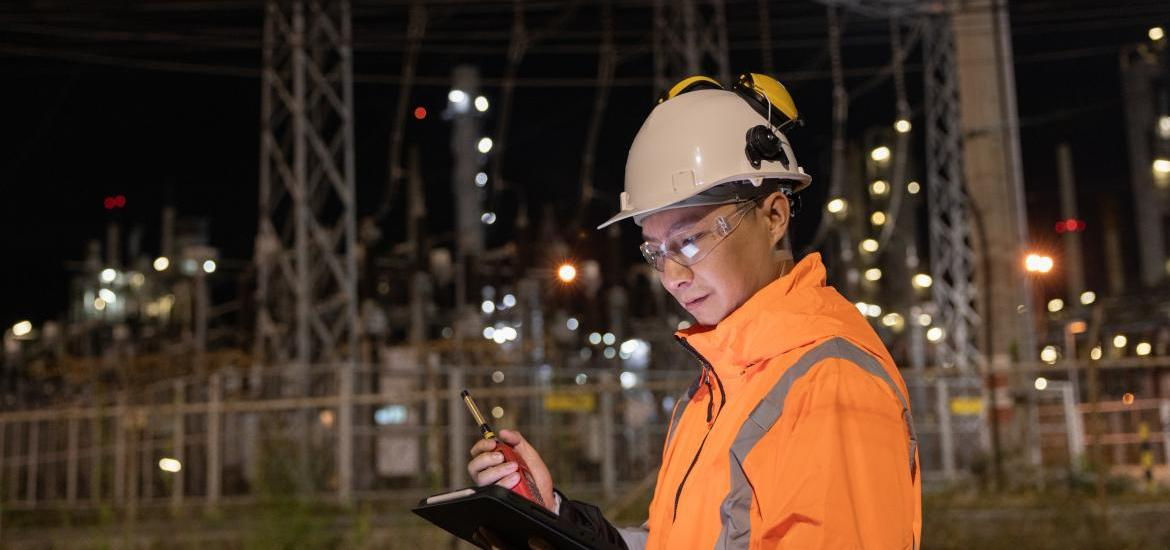
Safety, on the other hand, focuses on protecting both the workforce and the public from hazards associated with the power industry. This includes preventing accidents, managing risks, and ensuring compliance with safety regulations. Safety measures involve the use of personal protective equipment (PPE), adherence to safety protocols, and continuous training for employees. In the power industry, safety is paramount due to the high-risk nature of working with electricity and heavy machinery. NFPA 70E and 70B has changed the safety of workers from a recommendation to a requirement, a shift that will have tremendous impact on the development of an Electrical Maintenance Plan (EMP), which sadly has been lacking for too long in many organizations.
Interconnection of Reliability and Safety
The interconnection between reliability and safety is evident in the way they complement each other. A reliable power system reduces the likelihood of unexpected failures, which can pose safety risks. For instance, a sudden power outage can lead to hazardous situations, such as electrical fires or accidents during the restoration process. Conversely, a strong safety culture contributes to reliability by minimizing human errors and equipment failures that could disrupt power supply.
A strong safety culture contributes to reliability by minimizing human errors and equipment failures that could disrupt power supply.
Integrating reliability and safety involves adopting a holistic approach to asset management. This includes implementing predictive maintenance strategies, which use data analytics to anticipate equipment failures before they occur. By ad dressing potential issues proactively, the power industry can enhance both reliability and safety. Additionally, fostering a culture of safety encourages employees to report potential hazards and near-misses, leading to continuous improvement in system reliability.
Launch of the Safety and Reliability Association
Recognizing the critical link between safety and reliability, the Electrical Safety and Reliability Association was launched to promote best practices in the power industry. This association serves as a platform for industry professionals to share knowledge, collaborate on research, and develop standards that enhance both reliability and safety. By bringing together experts from various sectors, the association aims to drive innovation and improve the overall performance of power systems.
Recognizing the critical link between safety and reliability, the Electrical Safety and Reliability Association was launched to promote best practices in the power industry.
ESARA also focuses on education and training, offering workshops and future certification programs to equip industry professionals with the skills needed to manage major assets effectively. Through these initiatives, the association seeks to foster a culture of continuous improvement, ensuring that safety and reliability remain at the forefront of asset management strategies.
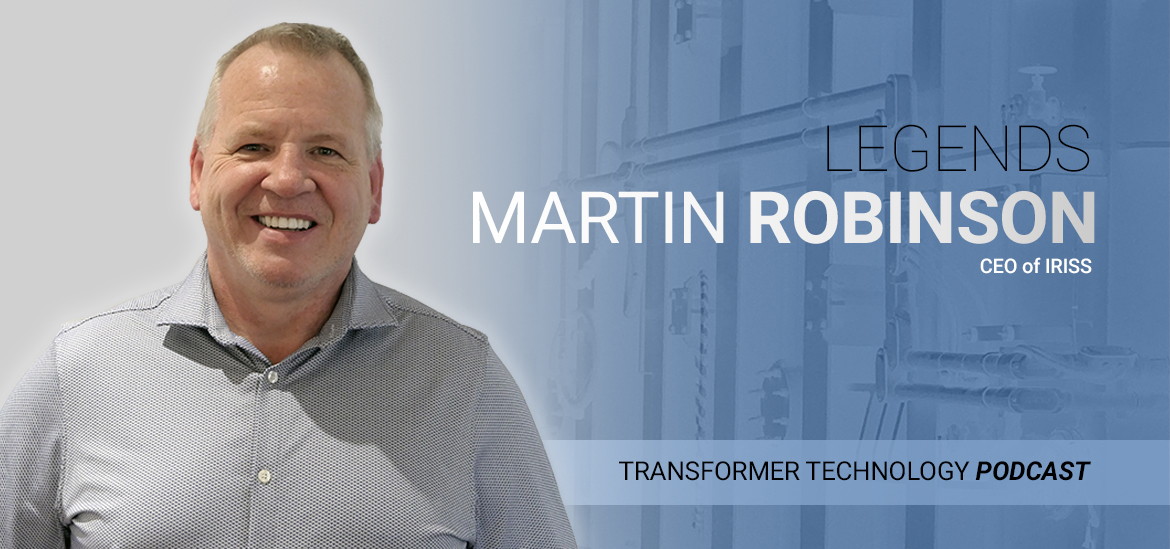
I am proud to be one of the founders and current cochairs of ESARA, along with Martin Robinson, CEO of IRISS and Mike Doolan, Global Reliability leader at CBRE. The connection between safety and reliability is integral to the effective management of major assets wherever electrical power is generated, transmitted, distributed or used. Also, APC Media is proud to be an Alliance Partner of ESARA, committed to a safer and more reliable future for every member of our fast growing community.
By understanding and leveraging this intercon nection, the industry can enhance the perfor mance and safety of power systems. The launch of the Electrical Safety and Reliability Association marks a significant step towards achieving these goals, providing a collaborative platform for advancing “better practices”. As the power industry continues to evolve, the integration of safety and reliability will remain essential for ensuring the sustainable and secure delivery and use of electricity.

Alan M Ross
CRL, CMRP
Managing Editor
APC Media
Technical Director
Alan has decades of experience in the power systems industry and is one of the greatest reliability experts out there.
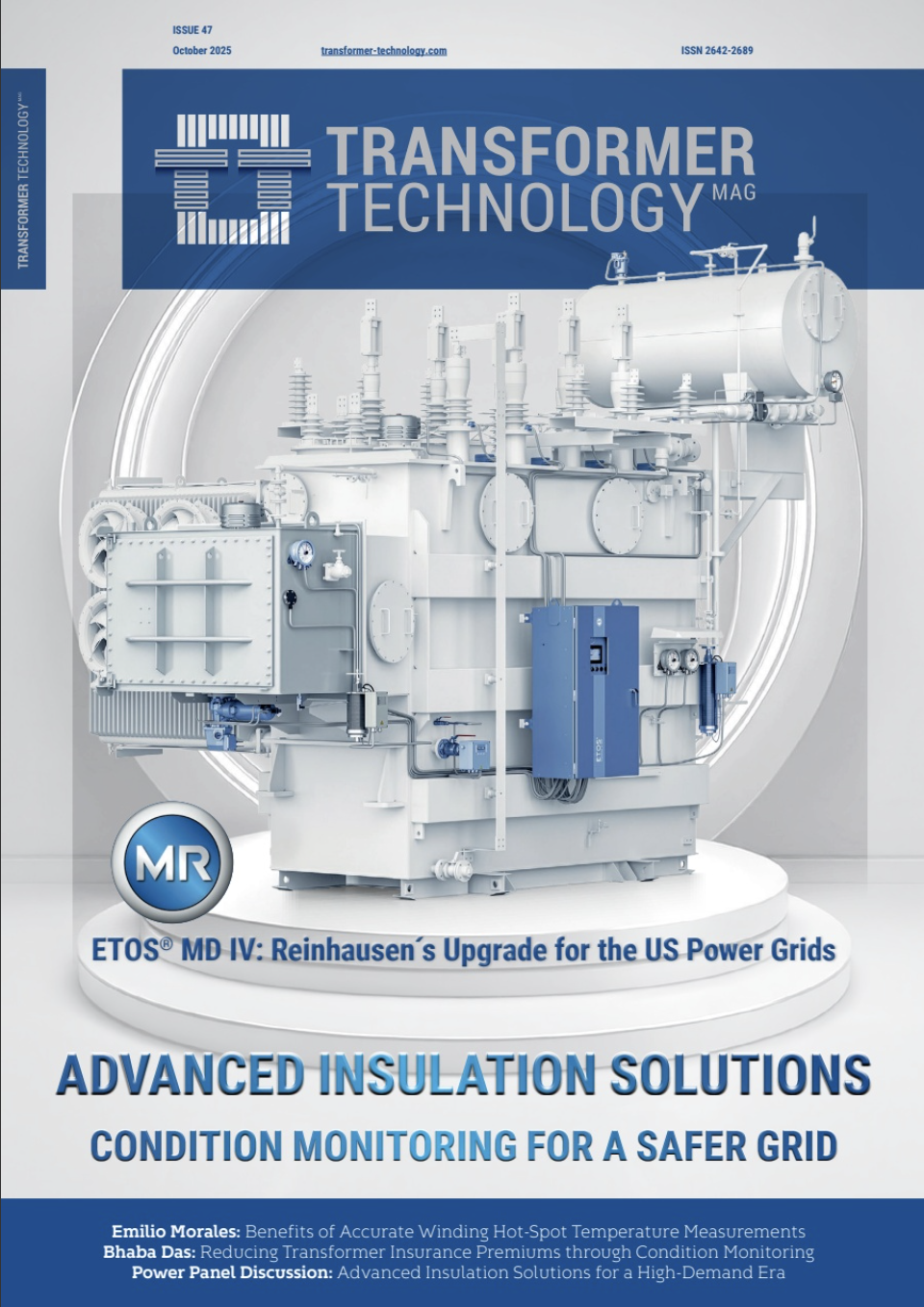
This article was originally published in the October 2025 issue of the Advanced Insulation Soulutions: Condition Monitoring for a Safer Grid magazine.
View Magazine