


































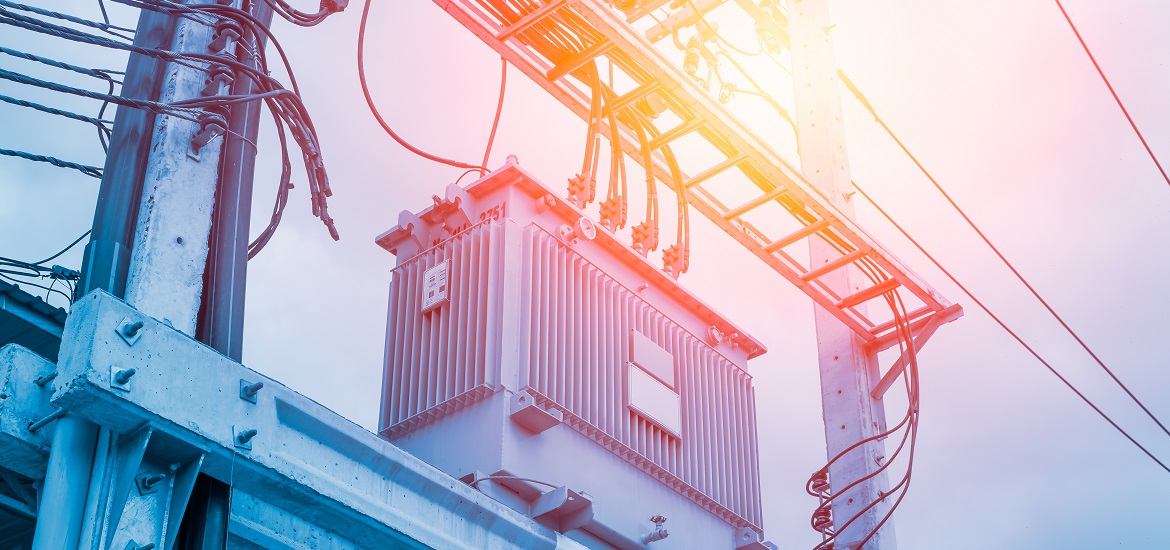
TRANSFORMER GROUNDING
Editor’s Note:
Years ago, I worked for a CEO who was one of the most gracious people I had ever known. It was said of him that there were only two reasons that people could get terminated from the company. One was abusive behavior to other employees, whether physical or verbal and the other was – improper grounding. Seriously! It was that big of a thing to him because it was all about safety.
“Work Safe, Home Safe” was the motto of my former company. One of the most important aspects of this motto was to make it something that was deeply rooted in our field crews. These were the employees most at risk from improper grounding of transformers they were going to be working on, and if our crews did not ground properly in their work, then other people and a lot more assets would be at risk. How did we make sure that the proper grounding procedures were followed? We made it a big deal when we communicated the importance that our CEO placed on the proper grounding of transformers; and we trained, retrained and practiced.
This short but very important article answers five critical questions about transformer grounding. We have added this to the Body of Knowledge on our website and I would suggest that if you have any employees or peers who should know the answers to these questions that you forward this article to them. It could save lives. Enjoy, and apply. You hired someone to install and ground your transformer. You assumed they understood and followed all appropriate codes and considered the health and safety of your personnel and equipment. But what happens when they do not? Are you aware of some of the dangers that could be lurking due to an error or omission from the contractor? Our crews recently responded to an unfortunate example of just this scenario, involving transformer grounding.
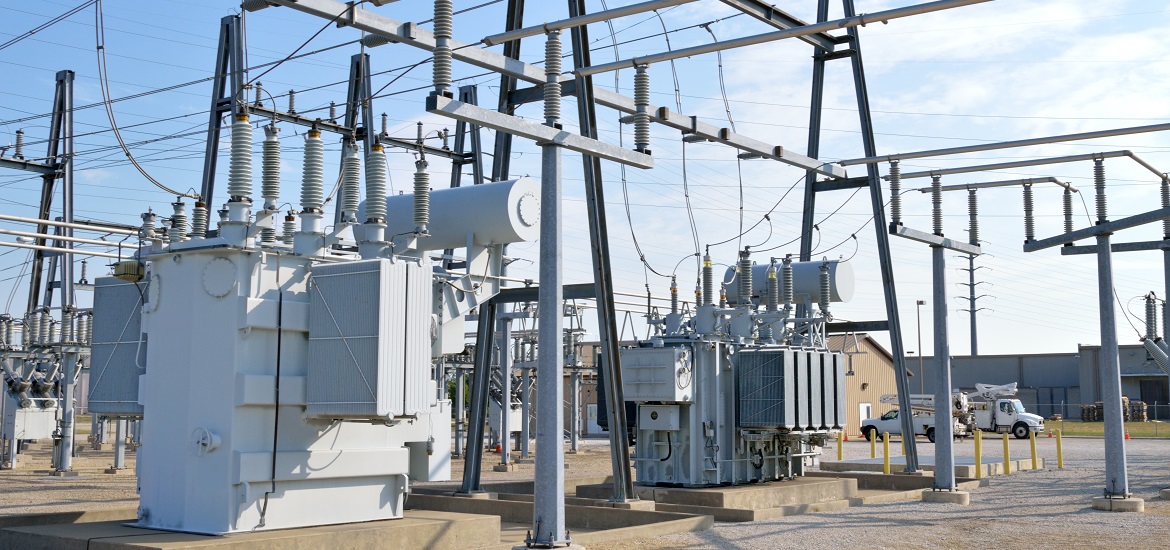
We often focus on the importance of regularly testing and maintaining distribution transformers to preserve and extend their useful life. However, the life and safety of your electrical distribution system begins at installation. One of the critical elements of establishing a safe and effective distribution system consists of proper transformer grounding and connection of the system neutral in 4-wire systems. Those familiar with the National Electrical Code, NFPA 70, will recognize that there is significant time devoted to proper grounds within the code. Many do not understand why, nor the significance of these requirements. 1. What is the purpose of grounding the transformer?
Neutral transformer grounding serves as a permanent and continuous conductive path to “earth” with sufficient ampacity to carry any fault current and sufficiently low impedance to limit the voltage rise above ground, and facilitates the operation of the protective devices in the circuit. These functions reduce shock hazards to personnel and limit damage to equipment. Failing to properly connect and ground the system neutral in 4-wire systems establishes what is often called a “floating neutral”. In this condition, the neutral is not referenced to ground allowing voltages to “float” to a maximum of phase RMS voltage relative to ground. The amount of float depends largely on the load balancing of the connected system and can be particularly damaging to single-phase loads. More importantly, this condition creates an extremely dangerous touch potential hazard with the ability to injure or even kill.
2. When should I be concerned about proper grounding?
Recently, our service teams responded to a customer concerned about abnormal heating of a newly installed, refurbished transformer. Electrical testing replicated initial factory test results, but oil sampling showed combustible gases, which indicated overheating. We often focus on the importance of regularly testing and maintaining distribution transformers to preserve and extend their useful life. However, the life and safety of your electrical distribution system begins at installation. Considering this transformer was lightly loaded and weather conditions during the 5-week period it was energized did not include severe heat, this is an unexpected result. It should also be noted that the crew identified significant variations in phase voltages during their initial inspection. Our recommendations included monitoring the transformer during subsequent operation and retesting in 3 months. The primary concern expressed in our report, however, was the connection of the system neutral. The picture shown should be a red flag to anyone concerned with the health and safety of their employees and equipment. It clearly depicts the failure of the contractor to complete the installation necessary to protect personnel and equipment.
3. Is the transformer properly grounded?
Our first and most urgent recommendation to this customer was to ensure the transformer and distribution system were properly connected and grounded prior to re-energization. Article 250 of the NEC Grounding and Bonding was not adequately nor appropriately followed when this transformer was installed. A system bonding jumper was not installed as required to create an effective ground-fault current path. Additionally, the neutral conductors were not connected to the X0 bushing. They were simply left taped off in the enclosure.
Combined, these actions defeat any fault protection associated with the system protection and control scheme. Note that the system neutral should not be grounded at locations other than the service entrance, or, in this case, the supply transformer, as per applicable codes. This could place earth in parallel with the system neutral and create corresponding potential variations.
4. What are the dangers?
Why is this such a critical concern? Primarily, this directly affects the safety and well-being of the operational staff, as well as the downstream equipment. Without establishing an effective ground-fault current path, the ground-fault current will not flow to expose the ground-fault to protective devices. This results in failure of the overcurrent protection device to operate correctly to clear the fault condition. In addition, potential builds on equipment enclosures and surfaces and the risk of electrical shock or electrocution becomes a significant and potentially deadly safety hazard which is usually discovered too late, with tragic results. Failing to connect the “grounding electrode conductors” can also create a situation where secondary voltages are unstable during operation. This was proved during the initial inspection when phase voltages were observed to vary significantly (nearly 20%). Without a proper return path to the source, phase voltages will often vary with respect to load balancing. In addition to potentially damaging single-phase loads, these voltage variations may be the likely source of the overheating indicated by the presence of combustible gasses and potentially dramatically reduce the service life of this transformer.
5. How do I avoid this happening to me?
The best way to protect your people, facility, and infrastructure is to know where to find answers. For further research and future reference, consider the following significant domestic codes and standards: NFPA 70 – National Electrical Code (NEC)
ANSI C2 – National Electric Safety Code (NESC)
IEEE 142-2007 – IEEE Recommended Practice for Grounding of Industrial and Commercial Power Systems (The Green Book)
A thorough understanding of these standards is critical to avoiding similar situations and identifying sources of risk to operations and personnel. Howard Eaton
As a veteran of the U.S. Navy and a graduate of the Naval Academy, it’s not a surprise that Howard Eaton is a big proponent of the Southwest Electric core value Take Action. Howard’s day-to-day activities include overseeing the custom switchgear manufacturing plant, as well as many of the substation and switchgear field services. He also maintains the engineering services licensure in several of the states the company serves. Share this article
This article was originally published in the March 2021 issue of the From Specification to Commissioning magazine.
View Magazine